Photographs of timber homes draw attention to beautiful beams and joinery, yet much of the work that determines service life disappears behind walls and ceilings. At a sample workshop, fictional carpenter Ichiro Yamada discusses joints, hand-planing, precutting and teaching the next generation.
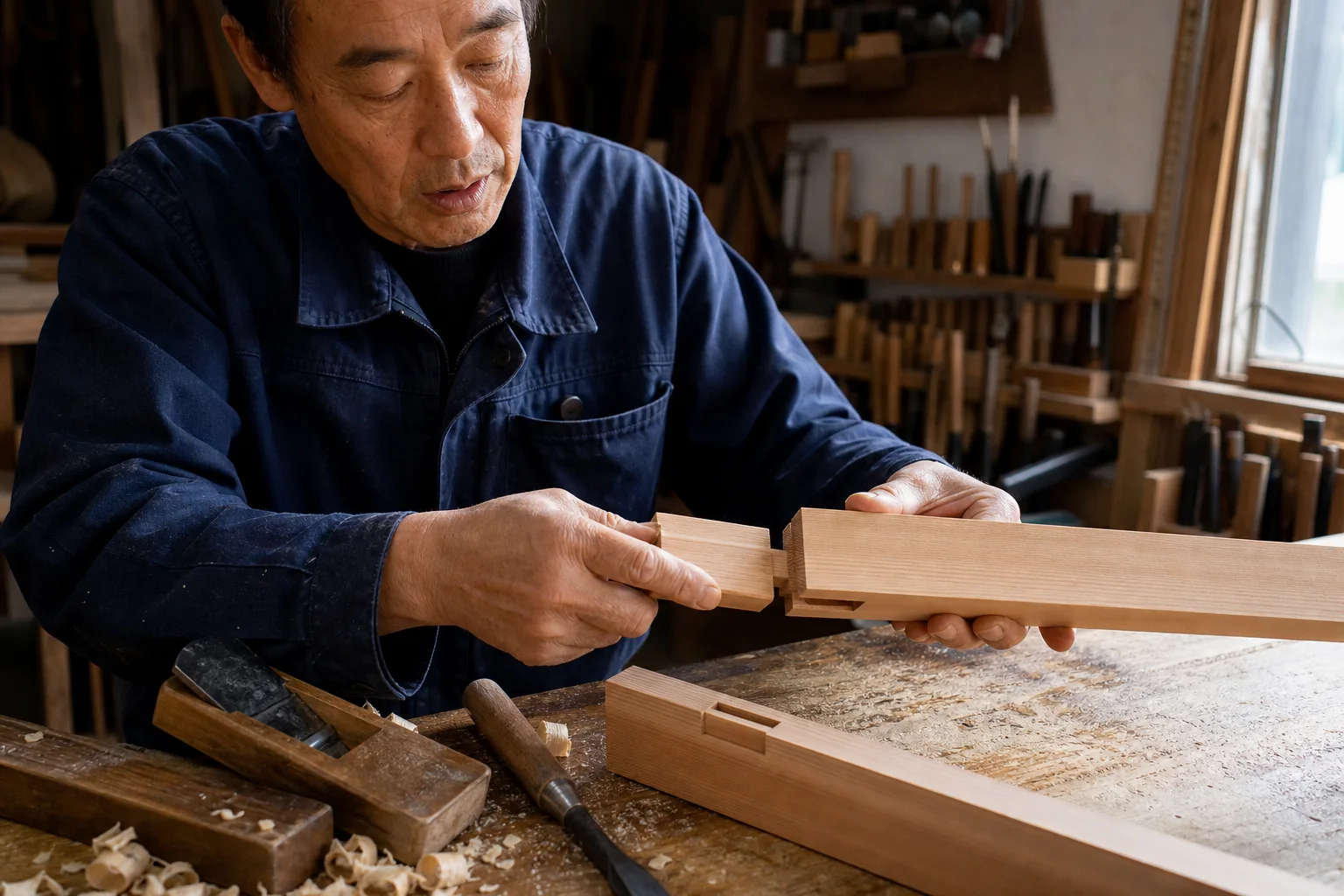
Joinery and metal connectors are not an either-or choice
BHJ: Does a contemporary timber home still need hand-cut joints?
Yamada: Hand-cutting everything is not automatically better. Structural calculation, consistency and programme make precutting and connectors valuable. Renovation, unusual conditions and exposed work still require adjustment by someone who can read the timber. The important question is not which method looks traditional, but how force moves through the detail.
BHJ: Handwork does not guarantee quality?
Yamada: No. Skill varies. Measurement, records and inspection by the next trade turn individual technique into reliable quality.
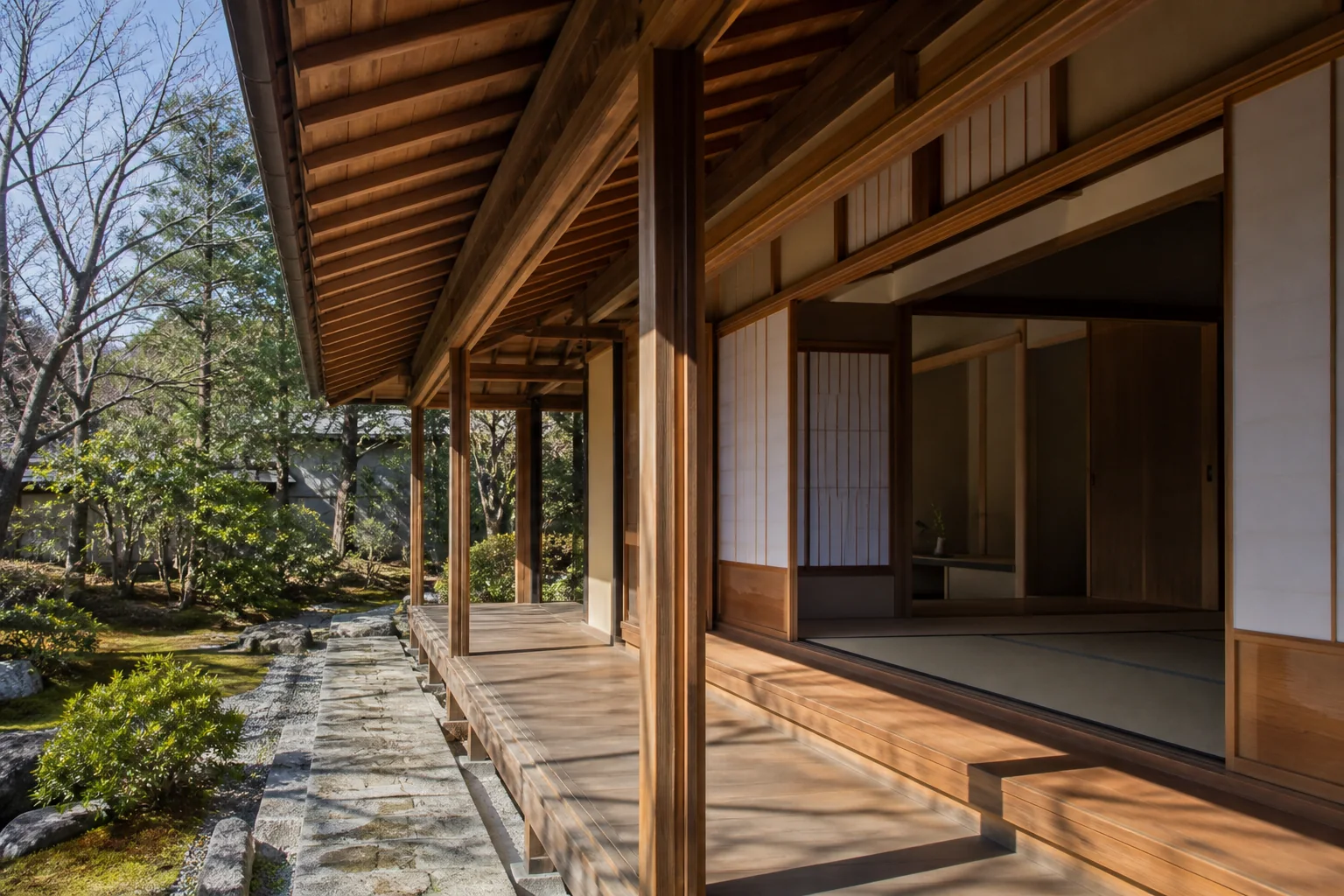
Record the work that will disappear
BHJ: How can residents trust concealed construction?
Yamada: We photograph and record each stage: weather-barrier laps, service penetrations, insulation gaps, airtightness continuity and backing for future handrails or furniture. A good article should show construction as well as completion because it reveals what the team values.
BHJ: What does a hand-planed finish add?
Yamada: It changes touch, reflected light and the way dirt settles. But not every surface needs the same labour. We spend time where hands touch and light travels along the grain.
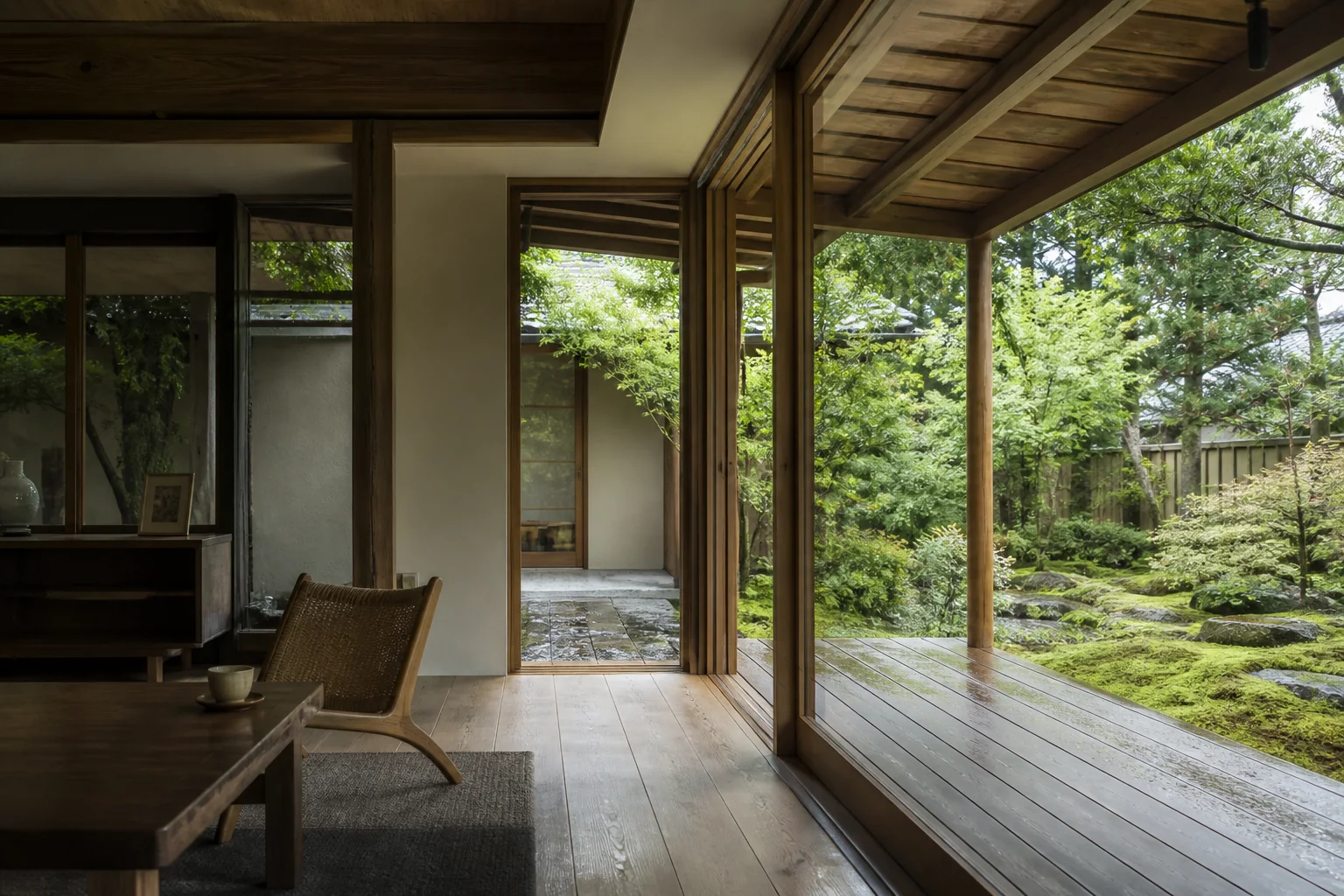
Adding language and records to learning by observation
BHJ: What has changed in how you teach younger carpenters?
Yamada: I explain why the sequence matters and where a mistake will appear later. We keep dimensions and photographs. Yet sound, resistance and smell still require experience on site. Records and embodied knowledge need one another.
When selecting a builder, residents should look beyond finished design to site management, process photography, inspection, repair systems and long-term relationships with trades. Craft should not be sealed inside a romantic story. Connecting it to repeatable quality and repairable buildings is what allows timber homes to endure.
This is a fictional editorial sample. Names and quotations are invented; photographs are generated sample visuals.